Pros and Cons of Being a Surrogate
Deciding whether to become a gestational surrogate — someone who carries a pregnancy for intended parents using an embryo created through in vitro fertilization (IVF) — is a personal choice that affects both you and your family. While every surrogacy process is unique, all journeys require careful thought, honest conversations, and a clear understanding of what lies ahead.
This guide from Circle Surrogacy discusses the pros and cons of becoming a surrogate, offering the information you need to make the decision that's right for you.
Key Takeaways
Becoming a surrogate can offer meaningful emotional, personal, and financial rewards while helping another family grow.
The surrogacy journey also involves medical treatment, travel, and a substantial time commitment.
A strong support system can make the practical and emotional aspects of surrogacy easier to navigate.
Knowing what to expect at each stage helps you approach the journey with realistic expectations.
What Is It Like Being a Surrogate? The Pros
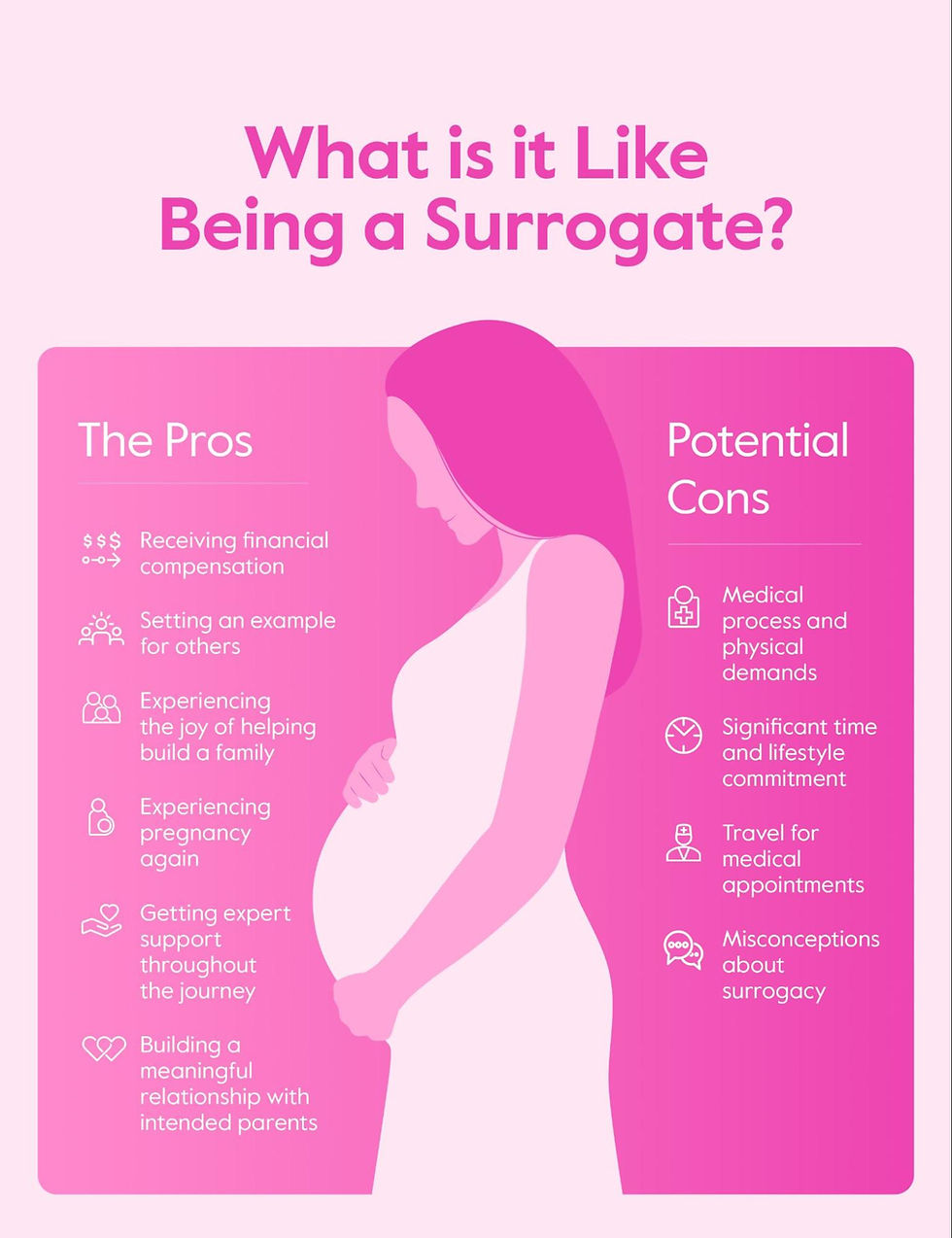
Surrogacy compensates you for your time and commitment while offering the opportunity to assist others on the path to parenthood.
1. Receiving Financial Compensation
Pregnancy requires time, energy, and physical effort, and surrogacy adds medication protocols, legal steps, and logistical responsibilities along the way. The American Society for Reproductive Medicine (ASRM) considers financial compensation for gestational surrogates to be ethically appropriate given the time, effort, and responsibilities involved.
While the exact details vary depending on individual agreements and circumstances, intended parents provide base pay and generally cover surrogacy-related expenses such as:
Medical co-pays and healthcare costs related to the pregnancy
Legal fees associated with the surrogacy agreement
Travel expenses for required medical appointments
Maternity clothing allowances
Lost wages in certain approved situations
Childcare or housekeeping assistance when medically necessary
Some surrogacy agencies offer payment protection that guarantees you’ll be compensated in full and on time, even if circumstances change.
2. Setting an Example for Others
When you become a surrogate, you are setting an example for the people in your life, even your own kids. They watch everything you do, including this process that teaches them about the power of helping others.
You might even inspire other women in your life to explore whether surrogacy is right for them.
3. Experiencing the Joy of Helping Build a Family
Intended parents are individuals or couples who turn to surrogacy to start or grow their families. Becoming a surrogate gives you the opportunity to get to know these people whose lives are being positively changed:
You make parenthood possible for people who can't carry a pregnancy: Surrogacy helps same-sex couples, individuals with medical conditions, and others build a family of their own.
You share pregnancy milestones together: Many surrogates and intended parents regularly communicate throughout the surrogacy journey, sharing important updates and attending appointments together.
You witness intended parents become parents: On delivery day, you see the outcome of your months of commitment when intended parents meet and hold their baby for the first time.
4. Experiencing Pregnancy Again
Women who become surrogates already have children of their own and are motivated by a desire to help others. They have completed their own families, but they love and enjoy the experience of being pregnant and everything that is involved.
Surrogacy offers the opportunity to experience the following again without expanding your own family:
Watching the pregnancy milestones unfold
Feeling the baby move and kick
Sharing updates with loved ones
5. Getting Expert Support Throughout the Journey
A successful surrogacy journey includes medical specialists, attorneys, social workers, surrogacy professionals, and coordinated communication between everyone involved.
One of the most important parts of the process is the legal agreement between the surrogate and the intended parents. This contract outlines important details such as:
Financial arrangements
Medical decisions
Communication expectations
Insurance considerations
Responsibilities before, during, and after the pregnancy
According to recommendations from the ASRM, surrogates should have their own legal counsel to review and negotiate the agreement. Having your own attorney helps protect your interests throughout the process. Rather than navigating complex legal documents alone, you work with someone whose primary responsibility is advocating for you.
6. Building a Meaningful Relationship With Intended Parents
Many surrogates and intended parents stay in close contact throughout and beyond the journey, while others prefer less interaction. Either approach can work well as long as you're in agreement.
Before moving forward, both you and the intended parents will have the opportunity to learn about each other and determine whether you are a good fit for one another. During the matching process, you'll work together to define your relationship and set clear expectations about:
Communication frequency and style
Medical decision-making
Involvement during pregnancy and delivery
Contact after the baby is born
Boundaries and preferences
This process is designed to ensure you and the intended parents feel comfortable with your mutual agreement. You're committing significant time and effort to help them become parents, and they're entrusting you with carrying their future child. Being open and honest about what you are looking for from day one makes the matching process more effective.
The Potential Cons of a Surrogacy Journey
Understanding the challenges as well as the benefits helps you make an informed decision. When you know what to expect, you and your support system can prepare for what lies ahead.
1. Medical Process and Physical Demands
In addition to the pregnancy itself, gestational surrogacy includes medical screenings, fertility treatments, and regular healthcare appointments that require both time and commitment. Even if you've had healthy pregnancies before, every pregnancy is different and comes with its own physical demands. Some common experiences you might have include:
Morning sickness
Fatigue
Mood swings
Swelling
Headaches or backaches
Since you already have a child or children of your own, you may already be familiar with many of these symptoms.
2. Significant Time and Lifestyle Commitment
From the initial application to postpartum recovery, the entire surrogacy journey can take anywhere from 14 to 20 months or longer.
The first phase involves completing an application and participating in medical and psychological screenings, including gathering medical records, attending evaluations and interviews, and undergoing background checks. Matching with intended parents also takes time, as finding a partnership that feels right for both of you is an important part of building a successful surrogacy journey.
Once matched, you finalize the legal agreements and begin medical preparations for embryo transfer. This stage involves appointments, medications, and communication with fertility specialists, so balancing these responsibilities alongside your work and everyday life will require some planning.
The third step is pregnancy and delivery day. Regular prenatal appointments, communication with intended parents, and postpartum recovery all take time and energy. Having a flexible schedule and a strong support system can make managing the time commitment easier.
3. Travel for Medical Appointments
Travel is another practical consideration for many surrogates. Since intended parents may work with fertility clinics located outside your area, certain appointments might require travel.
Key appointments may include:
Initial medical screening
Fertility clinic visits
Embryo transfer
Follow-up monitoring
Depending on the location of the fertility clinic, these appointments may involve driving, flights, or overnight stays. Knowing this ahead of time allows you and your family to plan for work schedules, childcare, and other responsibilities.
4. Misconceptions About Surrogacy
You may need to explain your decision to friends, family members, and coworkers who have questions about surrogacy. Some people may not understand your reasons or may hold misconceptions about the process.
A strong support system is one of the most valuable resources you can have. Open conversations before beginning the journey can ensure everyone understands the commitment involved.
Hearing from other women about their surrogacy experiences and perspectives can help you prepare for your own surrogacy and be a source of support throughout the process. Many surrogates are happy to share their stories and answer questions. Some agencies connect women with other surrogates through mentorship programs and online communities, which can make it easier to find and learn from others who understand the experience firsthand.
Peer support can provide opportunities to do the following:
Ask practical questions
Compare experiences
Discuss challenges
Celebrate milestones
Receive encouragement
How Do I Decide if I'm Ready to Become a Surrogate?
Everyone's circumstances are different, and reflecting on your motivations, family situation, and goals can help you determine whether surrogacy is the right fit.
Key Questions to Ask Yourself and Your Family
You might have more than one reason for considering surrogacy, and the journey is rarely an individual decision. Asking questions gives you insight into everyone's perspectives:
How does my partner feel?
How will we explain the journey to our children?
Who can help with childcare and support?
Surrogacy involves both physical and emotional experiences that may shift throughout the process. Checking in with yourself and your family regularly can help you navigate challenges as they arise.
In addition, medical treatments do not always follow a predictable timeline. Embryo transfers may not succeed immediately, schedules may change, and unexpected circumstances can arise. Being flexible and patient can be useful throughout your surrogacy journey.
Qualifications and Requirements for Surrogates
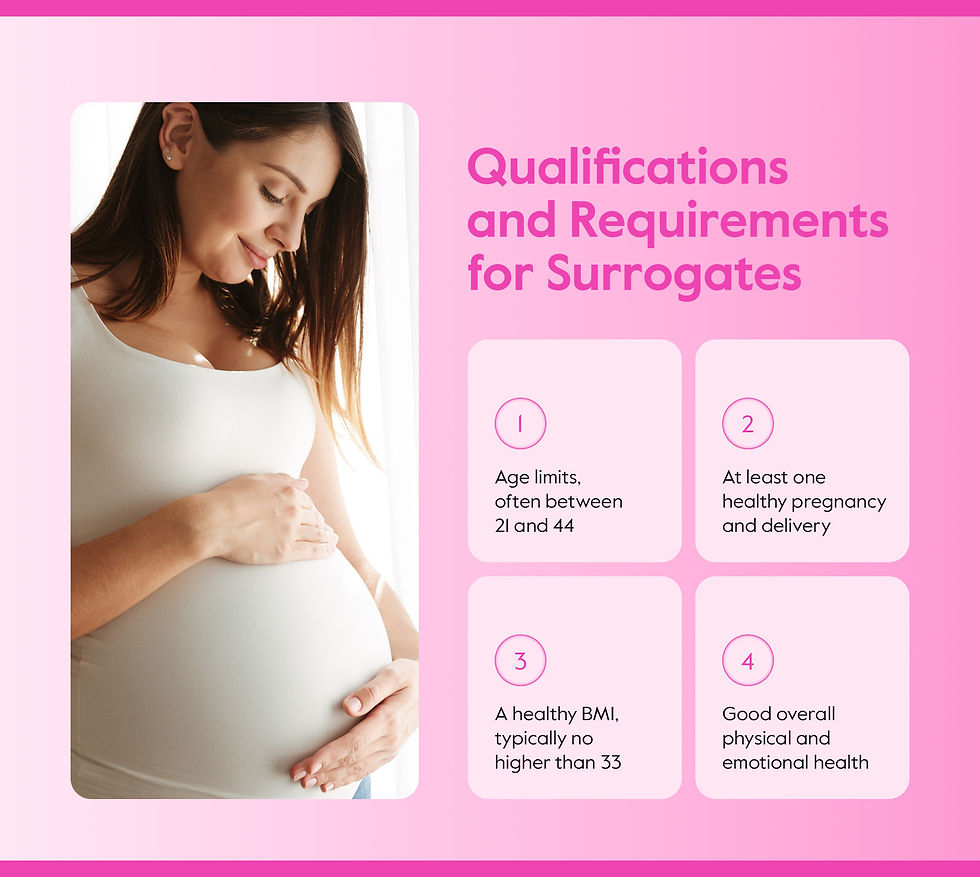
The requirements for surrogates are designed to promote safety and improve the chances of a healthy pregnancy. While exact qualifications vary, many agencies and fertility specialists follow similar guidelines:
Age limits, often between 21 and 44
At least one healthy pregnancy and delivery
A healthy Body Mass Index (BMI), typically no higher than 32 to 34
Good overall physical and emotional health
In addition, you are generally expected to have a stable home environment, maintain healthy habits, and demonstrate financial stability. Having a dependable support system is also important.
The BMI requirement exists because it can influence IVF medications and pregnancy potential. Even if you've had healthy pregnancies on your own, meeting BMI guidelines helps improve the chances of a successful IVF pregnancy.
The qualifications are not intended to exclude people unnecessarily — they are designed to reduce risks for everyone involved.
Why Choosing a Trusted Agency Matters
A surrogacy agency can simplify the process by providing expertise and coordinating important aspects of the journey, including:
Matching and screening: Agencies help identify compatible matches and handle the screening process to support positive partnerships. Look for agencies who have a structured matching process, because they’re more likely to match you with intended parents you’re genuinely compatible with.
Legal and financial coordination: Agencies assist with managing contracts, escrow services, and reimbursement processes according to agreed terms. Some agencies have in-house legal and financial specialists, which can streamline these aspects of surrogacy.
Ongoing practical and emotional support: Many agencies provide resources, education, and ongoing communication throughout the journey. This means you’ll always have access to help when you need it.
Working with an experienced agency provides structure, reduces uncertainty, and connects you with professionals who understand the surrogacy process. This support can help you feel more prepared throughout your journey compared to going it alone.
Frequently Asked Questions About Surrogacy
Here are answers to questions that may come up as you consider whether surrogacy is the right fit for you.
Can I be a surrogate more than once?
Can I choose which intended parents to work with?
Yes. The matching process is designed to ensure both you and the intended parents feel comfortable moving forward together. You'll have the opportunity to learn about prospective intended parents, ask them questions in an in-person or video conversation, and determine whether their expectations and communication style align with yours.
Will I become emotionally attached to the baby during the surrogacy journey?
Gestational surrogates do not share DNA with the babies they carry, and knowing this helps them prepare for the journey ahead. This lack of a biological connection is one factor that can shape how surrogates prepare for this moment.
Agencies also discuss the delivery and transition process thoroughly during screening, so surrogates enter the journey with clear expectations about their role and the outcome. Most surrogates describe looking forward to seeing intended parents finally meet their baby.
Start Your Surrogacy Journey With Clarity and Confidence
The rewards of becoming a surrogate can be significant. Many women appreciate the opportunity to help intended parents, receive financial compensation to support their own family, and experience pregnancy again. At the same time, the journey does involve medical treatment, travel, time commitments, and emotional considerations that deserve careful thought.
Understanding both the advantages and the challenges allows you to make an informed decision that aligns with your unique circumstances, family life, and values.
Are you interested in exploring surrogacy further? Circle Surrogacy is here for you. We’ve been supporting surrogates for over 30 years, offering guaranteed compensation and personalized support. Learn more about becoming a surrogate with Circle or apply today to start a conversation!